'Sweet' Jamaica: Sugar Culture and the Cost of Change

Growing up in Jamaica in the 1980s and 1990s, a favourite treat among kids was what we called ‘suck-suck’. This is a popular, nostalgic homemade frozen treat made by pouring a mixture of water, flavoured syrup, and ginger-lime juice into small plastic bags, which are then tied and frozen. Suck-suck was the homemade version of similar frozen beverages we would buy on the street like kisko pop, "bag juice" or "sky juice". These inexpensive treats are enjoyed by biting a small hole in the corner of the bag to suck the icy drink.
Any child who drank water instead of a sugary drink in primary school was likely from a socio-economic background where a daily allowance was little to nothing. One had to make a conscious decision at a tender age to prioritise stretching the dollar, electing instead to buy food or just sweets. Bringing a suck-suck to school was also taboo; as much as it was revered at home, outside it would be a tell-tale sign of poverty. However, if the school were to sell suck-suck as a snack, the perspective would change as it became something most children wanted to be part of – early evidence of the impact of 'peer influence' with food.

As we matured through the school system, we would ‘step-up’ to ‘box juice’, soda, and other drinks. Believe it or not, the ability to purchase and consume these continued to be a status symbol.
At home, Sunday dinner must be washed down with a glass of homemade soursop juice or carrot juice sweetened with lime and sugar or condensed milk. These popular Sunday beverages were also symbolic of a family’s economic status, as the absence of these drinks was a signal of hardship. The replacement lemonade, ‘sugar ‘n’ water/wata’ (literally), or plain water became less desirable, in that order.
Holidays like Christmas and Easter were incomplete without a ‘crate’ or a few bottles of soda being brought into the home. These were the ideal accompaniments to seasonal Christmas cake or Easter bun ‘n’ cheese. Throughout the year, Jamaicans bore no shame in being labelled ‘bottle/bakl police’ as they went about collecting soda and other glass bottles which would be stored for submission at the wholesale in the hope of getting brand new drinks in exchange.
Some of these traditions remain in place today.
Sweet Jamaica
In Jamaica, food is strongly tied to culture, celebration, and identity. Traditional foods such as fried chicken, patties, jerk pork, jerk chicken, and rice and peas are culturally valued. Children grow up associating: Fried foods with comfort; Large portions with generosity; and Sugary drinks with social gatherings or a just plain fun.
When these habits are normalised at home, they become lifelong dietary patterns. The Jamaica Health and Lifestyle Survey (JHLS) has shown increasing rates of: Obesity, Hypertension and Diabetes which are linked to dietary habits learned early in life. This aligns with Albert Bandura’s Social Learning Theory - children imitate what they observe at home.
These children become adolescents and adults who are further exposed to sugar and alcohol consumption through music, media, and social media. Dancehall lyrics often reference alcoholic beverages, some of which are high in sugar. Parties are likely to be sponsored by beverage companies which then get an opportunity to deepen market penetration as they build a relationship with an audience which is well-placed for alcohol consumption. Beenie Man has a popular tune with a really captivating punch line: "I'm drinking rum and red bull, Hennessy mek mi heart full..." There are many other hit songs like this one which influence behaviour and consumption. Music, the dancehall genre in particular continues to play a significant role in Jamaican culture and behaviour.
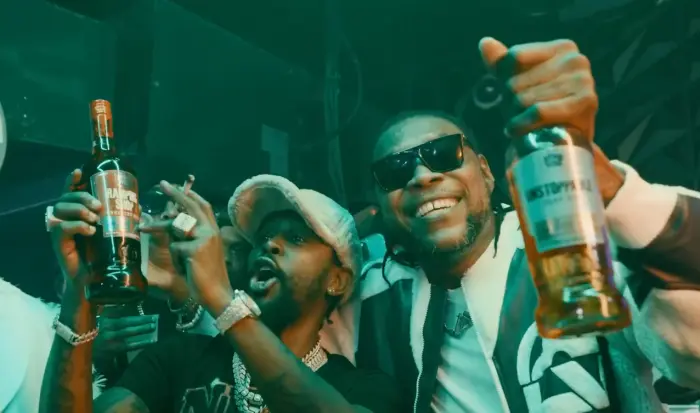
Alcoholic beverages vary widely, ranging from very dry to extremely sweet, depending on the type and ingredients. However, alcoholic drinks such as beer and sweetened mixed drinks are high in carbohydrates, which can raise blood sugar levels. These carry health risks related to diabetes.
The Cost of a Culture Shift
Approximately 11.9% or 236,200 of Jamaicans 15 years and older have diabetes (Ministry of Health & Wellness, Jamaica). Aside from the effects on the diabetic persons, its prevalence undoubtedly puts a strain on the health sector. Change is not an option, it is critical. But with sugary drinks being so deeply ingrained in Jamaica’s culture and it often being an economic decision, change is an uphill battle which will not occur overnight not even with a price increase.
Behavioural researchers say while cost strongly affects whether people choose to indulge in unhealthy behaviours, “cost” includes both financial cost (taxation, price increases) and social cost (stigma). Both influence decision-making, though not always equally for everyone. From economics, unhealthy products like sugary drinks are often price elastic; when price rises, consumption falls (especially among youth and low-income groups).
Countries that implemented soda taxes (e.g., Mexico) saw measurable declines in purchases of sugary beverages. The economic logic argument is: If unhealthy items become more expensive, some people substitute for cheaper alternatives while others reduce consumption entirely.
However, addiction reduces responsiveness to price. Unhealthy behaviours often provide immediate reward but delayed consequences. Psychological research shows humans discount future risks (called temporal discounting). For example, the pleasure of sugary food is immediate, but Diabetes risk feels distant. Thus, cost must be significant or immediate to influence behaviour strongly.
The Government of Jamaica’s recent announcement of a special consumption tax (SCT) on drinks with added sugar or artificial/non-nutritive sweeteners, whether locally produced or imported, is projected to raise $10.1 billion in its first year. It is also anticipated to impact unhealthy choices resulting in reduced consumption. But some local manufacturers have come out swinging against it, dubbing it an attack on the industry. Whether it will negatively impact the industry or consumers will ignore the price increase and carry on business as usual, remains to be seen.
Researchers argue that a country cannot reduce unhealthy choices simply by banning or taxing them. If unhealthy foods are cheaper and more convenient, people will choose them. It must make healthy choices accessible, affordable, attractive, and culturally acceptable. Economic cost works best when affordable healthier alternatives exist, there is strong public education, and social norms support healthy behaviour.
Addressing inequality can make a positive impact in the long run. Healthy choices are harder when income is low, work hours are long, and stress levels are high.
Within a Jamaican context, the price disparity between healthy and unhealthy drinks is so vast, it leaves little to no room for the right choice when faced with an economic decision. Local manufactures are aware of this reality, but business is business. Reducing sugar in sweetened beverages is one avenue they may choose in ensuring that they maintain sales, but they may also choose to make the healthy alternatives more affordable for the average Jamaican. Because let’s face it, it will take years for public education to have an impact on the consumer as we will have to target everyone including children who are faced with norms in the home.
The same holds true for agricultural produce which can often be out of reach for lower socio-economic groups. If we are promoting a shift from ‘suck-suck’ to natural juices, fruits and vegetables must become more affordable so persons can make their own drinks at home, including suck-suck.

About nine out of every 10 persons (93 per cent) in the population have access to basic drinking water services (an improved source of drinking water that is less than 30 minutes roundtrip from home) according to a report from The Jamaica Multiple Indicator Cluster Survey (MICS) 2022: Situation of Women and Children.
We can explore the idea of free water stations in public for people on the move. A free water station may reduce the need for purchasing any item to hydrate. When faced with variety, the consumer may opt for something sweet instead of a bottle of water as a thirst quencher. In the 'Land of Wood and Water', some of us still haven't bought into the idea of buying water.
Free water will come at a cost, but a worthwhile investment towards lowering our healthcare costs and preserving our people. Perhaps, the more Jamaicans see available water at no cost outside the home, the more they will learn to drink it. This might be achieved through sustainable partnerships. And who knows? It could be an effective branding opportunity. Change comes at a cost...sometimes to all.
I Am Suzette Campbell
P.S.
Follow on WhatsApp by clicking this link: https://whatsapp.com/channel/0029VbCSVBp6mYPJbdNlZp0J


Comments